
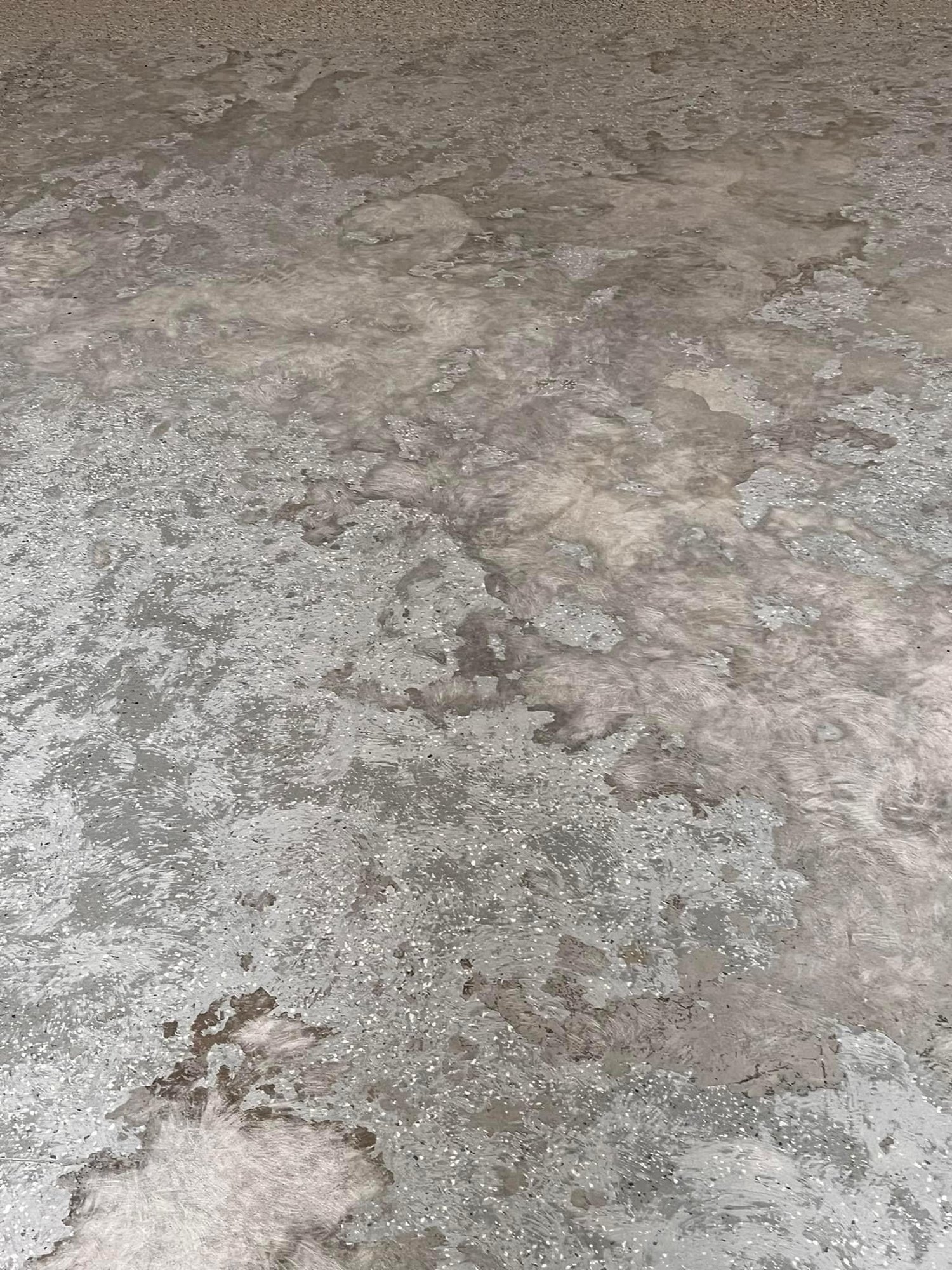
Investing in a premium protective coating for your driveway is an excellent strategy to elevate the curb appeal, safety, and market value of any piece of real estate. For residential homeowners keeping their private multi-car garages and driveways in pristine condition, as well as commercial property managers protecting high-traffic entrance zones and loading docks, a smooth, clean driveway is a major badge of honor. However, many property owners are eventually disappointed when their newly applied coatings begin to flake, discolor, bubble, or peel away within just a few years of installation. These frustrating, premature breakdowns are rarely caused by a defect in the material itself, but rather by correctable issues during the initial mechanical preparation and application phases. Understanding the most common reasons why driveway coatings fail and learning how to avoid them is the absolute best way to protect your financial investment. By implementing expert-grade preparation techniques and using high-performance, climate-stable resins, you can permanently eliminate these failures and enjoy an immaculate, heavy-duty surface for decades.
The single most widespread cause of driveway coating failure across both residential and commercial properties is inadequate surface preparation before the liquid resin is applied. Concrete is naturally an incredibly porous, sponge-like material that easily absorbs grease, motor oil, road salt, chemical residues, and deep-seated dirt over years of daily usage. If a contractor or a do-it-yourself installer simply rolls a fresh coating over a driveway without completely removing these deeply embedded contaminants, the liquid resin cannot physically attach itself to the stone. This lack of chemical bond means that as soon as a heavy vehicle drives over the area, the downward pressure and movement will instantly cause the coating to detach, blister, and lift away in large, unsightly sheets. To prevent this bonding failure before it ever starts, professional installers must move away from weak chemical acid washes and instead utilize heavy, industrial-grade diamond grinding or shot-blasting machinery to mechanically profile the concrete. This vital mechanical process completely strips away contaminated top layers and opens up thousands of microscopic concrete pores, allowing the heavy-duty primer coat to sink deep down into the stone matrix to form a permanent, root-like physical bond that simply cannot be pulled up.
Industry Data Point: According to technical failure analysis statistics published by theInternational Concrete Repair Institute (ICRI), more than 80% of all resinous floor coating failures are directly attributed to poor substrate preparation or a failure to achieve the correct concrete surface profile (CSP) before application.
Defending Against Sub-Surface Moisture and Hot Tire Pickup
Another massive environmental challenge that frequently ruins standard exterior coatings is sub-surface moisture vapor transmission, a problem that is especially aggressive in hot, humid coastal climates. Because concrete sits directly on top of the soil, it constantly absorbs moisture from the damp earth below and naturally pushes that water vapor upward toward the surface where it can safely evaporate into the open air. When a completely non-breathable, low-quality retail sealer is applied over the driveway, it traps this rising vapor with absolutely nowhere to go, creating immense hydrostatic pressure directly underneath the hardened coating layer. Over a relatively short period, this intense, hidden pressure forces the coating upward, resulting in hundreds of tiny, brittle bubbles that eventually pop, crack, and leave your concrete entirely exposed to weather erosion. To successfully neutralize this hidden moisture threat, expert installers perform specialized calcium chloride testing before installation and utilize advanced, moisture-tolerant epoxy primers engineered to block vapor transmission while maintaining an unbreakable hold on the stone.
Furthermore, heavy-traffic zones and coastal driveways must constantly endure severe thermal stress combined with intense physical friction from hot vehicle tires. When you drive your car down a highway on a hot summer day, the friction between the tire rubber and the asphalt generates immense localized heat, causing the tire to expand, soften, and become slightly sticky. When you park that vehicle on a low-grade, retail-latex driveway finish, the hot tire creates a powerful vacuum-like suction as it slowly cools down and contracts back to its normal shape. If the coating lacks high-performance thermal stability, this powerful suction force will literally rip the color right off the concrete when you back out of the driveway, a frustrating process known throughout the industry as hot tire pickup. To discover how premium, cross-linked coatings permanently shield your high-traffic property zones from this thermal destruction, explore our comprehensive breakdown on driveway coating types and their lifespans in the Lowcountry.
Protecting Your Property Investment with Polyaspartic Technology
The final piece of the prevention puzzle involves shielding your exterior surfaces from the unrelenting bleaching effects of intense ultraviolet (UV) radiation. Standard interior epoxy coatings are highly sensitive to sunlight, meaning that when they are exposed to outdoor conditions, the UV rays rapidly break down the polymer chains, turning a beautiful gray or tan driveway into a dull, brittle, and chalky yellow eyesore in a matter of months. For this reason, professional exterior installations always utilize a multi-layer system capped with a premium polyaspartic top coat, which features a completely UV-stable chemical structure that preserves its pristine look and crystal-clear gloss for a lifetime. This seamless, non-porous top coat does not just protect your custom colors from fading; it also creates an entirely chemical-resistant barrier that prevents oil, gasoline, and harsh road salt from staining the floor. To see how these heavy-duty coatings compare to alternative restoration methods for aging or damaged surfaces, take a look at our expert guide analyzing recoating vs. full removal cost and performance.
Our core company mission is centered entirely on delivering an unmatched combination of pristine customer satisfaction, trustworthy field expertise, and heavy-duty structural resilience configured precisely to your property’s specific layout. We treat every single residential driveway transformation and commercial industrial entrance zone as a permanent monument to master-level craftsmanship, utilizing only elite-tier, heat-stable formulations built to withstand the harshest daily challenges. Our experienced technical team takes all the guesswork out of property management by conducting rigorous, transparent assessments of your existing surfaces to recommend the absolute safest, most efficient path forward for your budget. Taking a proactive approach to your real estate assets completely eliminates the need for repetitive patching and incredibly expensive total slab replacements down the line, ensuring your space stays safe, highly functional, and beautifully clean for decades. Do not allow poor surface preparation, hidden concrete dampness, or low-grade retail paints to threaten the long-term structural performance, safety, and beautiful appearance of your property.
Ready to Protect and Elevate Your Surfaces?
Ensure your home driveway, multi-car garage, or commercial facility is anchored by a flawless, high-performance floor system that is built to withstand heavy daily wear and hot tires. Contact our friendly, expert team today to schedule a thorough, professional surface inspection and receive a completely free, transparent price estimate customized exactly to the physical needs of your space.
Leave a Reply