
Investing in a premium floor system is a phenomenal way to elevate the aesthetic appeal, structural safety, and long-term asset value of any property. For residential homeowners modernizing a private multi-car garage and commercial facility managers upgrading heavy-duty manufacturing floors, warehouse bays, or retail showrooms, a durable surface finish is a point of pride. However, many property owners are eventually forced to deal with a deeply frustrating issue when their beautiful new coatings begin to blister, crack, peel, or separate from the concrete floor within mere months of installation. These costly, premature surface failures are rarely caused by a defect in the resin itself, but rather by an invisible environmental factor deep inside the concrete that hasty contractors routinely fail to investigate. Skipping the essential phase of comprehensive concrete moisture testing before mixing a single drop of liquid resin is a catastrophic mistake that completely ruins your structural investment. By partnering with an expert team that approaches surface engineering with technical precision, you can identify hidden moisture issues early and ensure your floor remains completely flawless for decades.
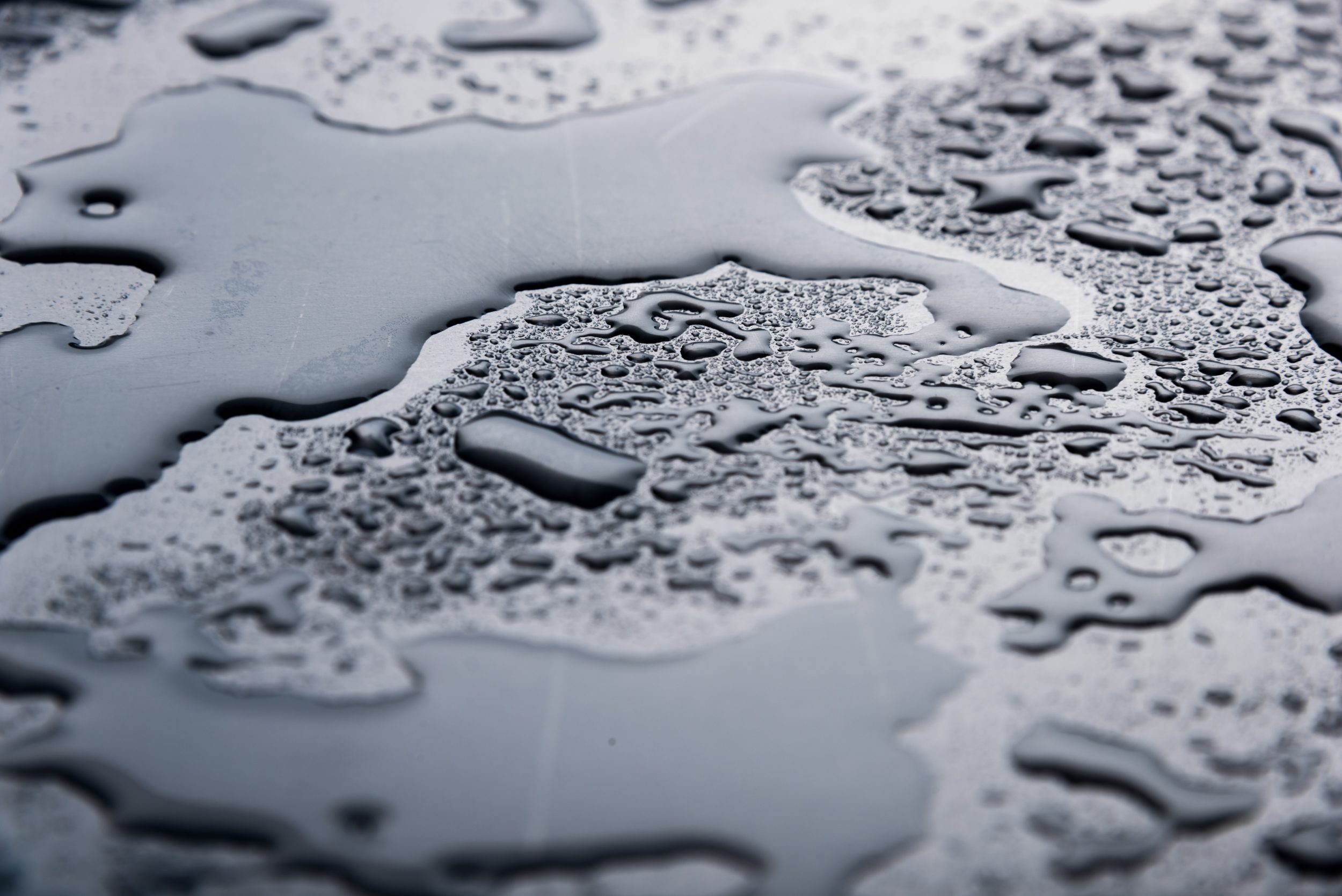
The real underlying culprit behind bubbles and delamination in unprofessionally installed floor systems is a natural chemical process known throughout the construction industry as moisture vapor transmission. Because concrete is fundamentally a dense, stone-based sponge, it absorbs liquid water from the underlying earth and continuously funnels that moisture upward through microscopic capillaries toward the open surface where it can naturally evaporate into the air. When a contractor applies a dense, non-porous epoxy or polyaspartic barrier directly over damp concrete without checking the internal relative humidity, they are effectively trapping that rising water vapor with absolutely nowhere to go. As temperature shifts occur throughout the day, the trapped moisture expands and creates immense outward force—known as hydrostatic pressure—directly underneath the hardened top coat. This intense, hidden force easily overcomes the chemical bond of low-grade or poorly applied materials, pushing the coating upward into fragile, fluid-filled bubbles that eventually pop and crack under the weight of normal foot or vehicle traffic.
Industry Data Point: According to professional concrete flooring diagnostics published by theInternational Concrete Repair Institute (ICRI), hidden sub-surface moisture vapor transmission and a complete lack of pre-installation testing are responsible for more than 70% of all premature resinous floor coating failures nationwide.
The Contrast Between Superficial Profiling and Scientific Diagnostic Testing
To successfully prevent these hidden structural failures, asset owners must realize that a concrete slab can look completely clean and bone-dry to the naked eye while still containing dangerously high moisture levels deep within its core. Inexperienced or volume-driven contractors often rush through the installation process, relying on visual inspections or a simple plastic sheet tape-down test that completely fails to measure deep-seated water content. Professional installers always adhere to strict scientific standards, utilizing advanced technical methods such as the ASTM F2170 relative humidity test, which requires drilling precise probe holes into the concrete to measure internal moisture levels accurately. If the internal relative humidity surpasses acceptable manufacturer levels, our team never takes shortcuts or hopes for the best; instead, we apply specialized, industrial-grade moisture mitigation primers engineered to chemically choke out rising vapor and maintain an unbreakable grip on the stone under pressure.
Furthermore, ignoring sub-surface dampness creates a highly destructive environment that extends far beyond a few localized cosmetic bubbles on your floor. When moisture is trapped continuously beneath a non-porous layer, it reacts with the alkaline materials locked inside the concrete matrix, creating a highly corrosive, high-pH chemical soup that actively breaks down the floor’s foundational integrity over time. For heavy-traffic commercial loading zones, automotive repair bays, and active residential garages, this chemical degradation can weaken the concrete slab itself, leading to severe pitting, crumbling, and deep micro-cracking under heavy vehicles. To understand how industrial-strength, professionally bonded surface systems permanently defend your concrete from this combined chemical and physical erosion, explore our detailed breakdown detailing the benefits of epoxy garage floors over standard concrete.
Selecting Custom Coatings Configured for Coastal Climate Challenges
For property owners living and working across coastal environments, managing hidden sub-surface moisture is an absolute necessity due to high local water tables and relentless humidity. Exterior driveways and open-air entrance bays take an exceptionally brutal beating from the elements, as rising soil dampness combines with scorching summer heat to create maximum hydrostatic pressure against decorative finishes. To prevent these exterior surface failures, advanced polyaspartic and moisture-vapor-tolerant formulations are utilized to provide a seamless, UV-stable shield that breathes just enough to prevent blistering while remaining completely impervious to oil, grease, and road salt. To explore how these specialized coatings deliver long-term protection against harsh local weather elements, read through our comprehensive guide outlining driveway coating types and their lifespans in the Lowcountry.
Choosing the right path forward for your floor asset relies completely on balancing accurate diagnostic testing with elite-tier mechanical preparation. If an inspection reveals that an old, cheap retail finish is already peeling away due to trapped dampness, simply rolling a fresh top coat over the failing layer will result in a complete waste of capital. For spaces facing advanced concrete degradation or old coating delamination, executing a full mechanical removal using industrial diamond grinders is the only reliable option to restore the raw concrete pores to a clean slate. To evaluate the exact financial and performance factors involved in successfully engineering a permanent, high-performance floor system for your home or business layout, take a look at our professional analysis regarding recoating vs. full removal cost and performance.
Our core company mission is centered entirely on delivering an unmatched combination of pristine customer satisfaction, trustworthy field expertise, and heavy-duty architectural resilience built to withstand any environmental challenge. We treat every single residential transformation and commercial industrial installation as a permanent monument to master-level craftsmanship, utilizing only elite-tier, chemically stable formulations configured perfectly to your specific region. Our experienced technical team takes all the guesswork out of property management by conducting rigorous, transparent moisture assessments of your existing slabs to recommend the absolute safest, most efficient path forward for your budget. Do not allow rushed contractors, hidden concrete dampness, or a lack of scientific testing to threaten the long-term structural performance, safety, and beautiful appearance of your home or business.
Ready to Protect and Elevate Your Surfaces?
Ensure your home garage, commercial warehouse, or facility floor is anchored by a flawless, high-performance system that is scientifically tested to last. Contact our friendly, expert team today to schedule a thorough, professional moisture inspection and receive a completely free, transparent price estimate customized exactly to the physical needs of your space.
Leave a Reply